
1. PET: Polyethylene Terephthalate

Applications: Commonly used to make mineral water bottles, cola beverage bottles,juice bottles, screen protective films, and other transparent protective films, usually colorless and transparent. Because it can only withstand heat up to 70℃, this kind of beverage bottle (PET bottle) is only suitable for cold and warm drinks. Filling it with high-temperature liquids (such as hot boiled water) or heating it makes it easily deformed, and substances harmful to the human body will dissolve out. Moreover,after 10 months of use, this plastic product may release carcinogens, which are toxic to the human body.
Other uses: PET can also be spun into fibers, which is what we commonly call polyester, hence the saying during the Olympics about recycling beverage bottles to make clothes. Many sports clothes pursuing breathability and lightness are made of polyester. The clothing fabric "Que Liang" popular a long time ago was also this material, but limited by the backward spinning methods at that time, Que Liang clothing was not as comfortable to wear as today's. In addition, PET also has many engineering applications.
Commonly used for: Filling mineral water, carbonated drinks, juice, etc.
Advantages: High transparency, the contents of the bottle can be clearly seen; acid and alkali resistance, can hold carbonated drinks; high water resistance, not easy to seep out.
Note: Non-toxic, but the synthesis process may retain monomers, low molecular weight oligomers, and side reaction products such as diethylene glycol, which have a certain toxicity. The state has strict standards for PET raw materials used in beverage bottles. Plastic bottles (PET bottles) made of PET material cannot be left in cars to bask in the sun; do not use them to hold wine, oil, or other substances, as harmful substances can easily dissolve out. Also, do not fill them with liquids above 70℃, as excessively high temperatures will cause the material to decompose and release harmful chemicals.
2. HDPE: High-Density Polyethylene

Applications: Suitable for holding food and medicine, cleaning products and bathing products (which may use a lotion pump or sprayer pump), shopping bags, trash cans, etc. Currently, most of the plastic bags used in supermarkets and shopping malls are made of this material, which can withstand high temperatures of 110℃, and plastic bags marked for food use can be used to hold food. HDPE is widely used in various translucent and opaque plastic containers, feeling thicker to the touch.
Commonly used for: White medicine bottles, opaque shampoo bottles (HDPE bottle), yogurt bottles, chewing gum bottles, etc.
Advantages: Relatively resistant to various corrosive solutions, mostly used in cleaning products, bathing products, etc.
Note: Bottles holding cleaning products and bathing products can be reused after cleaning, but these containers are usually not washed clean, and the remaining substances will become a breeding ground for bacteria. It is best not to recycle them,and it is especially not recommended to use them as recycled containers for holding food and medicine.
3. PVC: Polyvinyl Chloride

Applications: PVC is now mostly used to manufacture some cheap artificial leather,floor mats, drainage pipes, etc. Due to its good electrical properties and certain self-extinguishing flame retardancy, it is widely used in the manufacturing of wire and cable sheaths. In addition, PVC is widely used in industrial fields, especially where high resistance to acid and alkali corrosion is required.
Commonly used for: Raincoats, PVC plastic conduits, water pipes, plastic switches,sockets.
Advantages: High strength, weather resistance, and good corrosion resistance.
Note: This material can only withstand heat up to 81℃, so it cannot be used in places with high temperatures. A large amount of plasticizers (such as DOP) and heat stabilizers containing heavy metals are used in PVC production, and it is difficult to eliminate the presence of free monomers during the synthesis process. It easily releases toxic substances when encountering high temperatures and oils, and is easily carcinogenic, so PVC is often replaced by PP and PE in contact with the human body, especially in medical and food applications.
4. LDPE: Low-Density Polyethylene
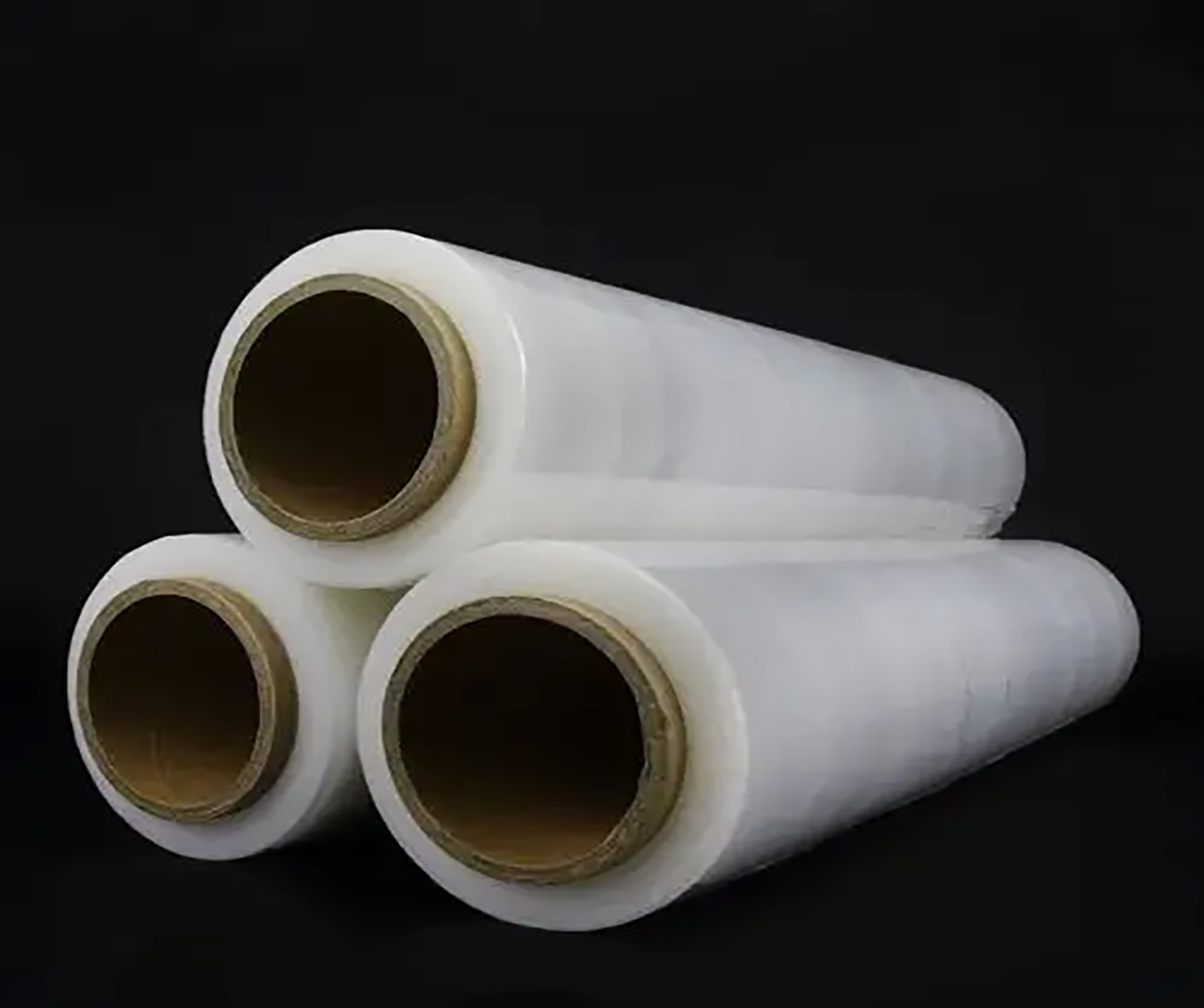
Applications: Plastic films, plastic wraps, and packaging boxes like paper milk boxes and beverage boxes all use it as a coating film. It is mostly used for plastic film utensils and is not suitable as a beverage container.
Commonly used for: Plastic wrap, plastic film, squeeze tube packaging for
toothpaste or facial cleanser.
Advantages: Good ductility, extremely widely used in daily life.
Note: Since LDPE products will soften or even melt at higher temperatures, try to avoid using them under temperatures higher than boiling water (100℃). Plastic wrap will experience thermal melting when the temperature exceeds 110℃; therefore,before putting food into a microwave oven, the wrapped plastic wrap must be removed first.
5. PP: Polypropylene

Applications: Microwave lunch boxes are made of this material, which can withstand high temperatures of 130℃ with poor transparency. This is the only plastic box that can be put into a microwave oven and can be reused after careful cleaning.PP has high hardness and a glossy surface. The range of use for PP is also very wide, including daily necessities such as packaging, toys, washbasins, buckets,clothes hangers, water cups, bottles, etc.; engineering applications such as car bumpers, etc. PP spun into fiber is called polypropylene fiber, which is very common in textiles, non-woven fabrics, ropes, fishing nets, and other products.
Commonly used for: Disposable juice and beverage cups, plastic food trays,crisper boxes, etc.
Advantages: Good air permeability, maximum heat resistance temperature up to 167℃, and it is the lightest plastic container.
Note: If the temperature is too high, harmful gases will still diffuse out. In addition,the box body of some microwave lunch boxes is made of PP, but the box lid (cap) is made of No. 6 PS. Check carefully before use, and if this is the case, remove the box lid (cap) before heating. Compared with PE products, PP products have slightly better heat resistance. The typical Lock&Lock water cup can reach a usage temperature of 110℃, but higher temperatures run the risk of softening and melting,which should be avoided as much as possible.