

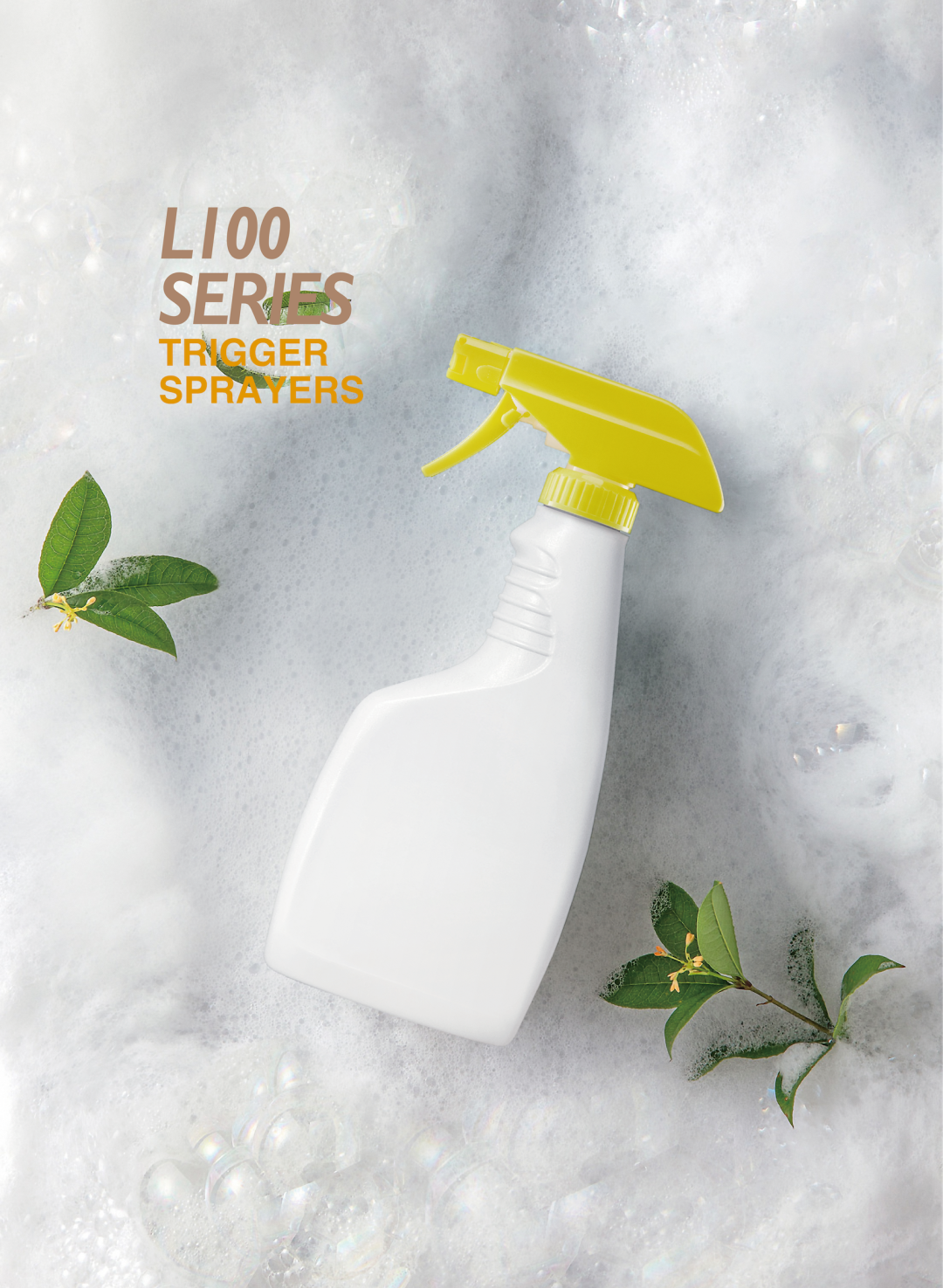
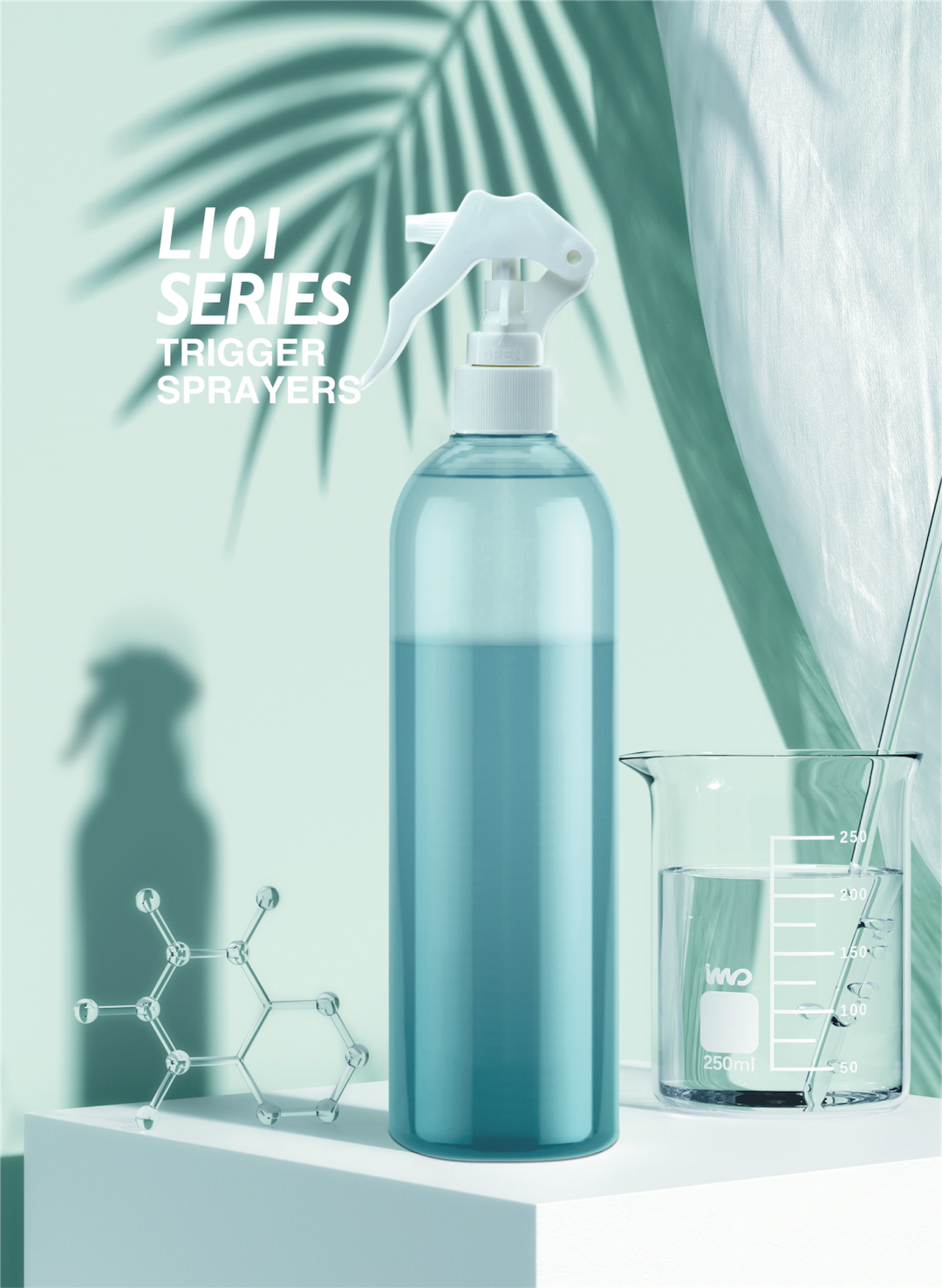
A Brief History of the Trigger Sprayer
1. Early Origins and Operating Principles
Patents for trigger sprayers appeared as early as the 1930s. While there were various differences in shape and structural design, their fundamental operating principles remained essentially the same.
2. Development in China
The domestic trigger sprayer in China was co-developed in 1981 by Senior Engineer Jiang Guomin and Chief Physician Wang Weizong (formerly of the Shanghai Municipal Health and Anti-Epidemic Station). It was first mass-produced and launched into the market by the Shanghai Chongming No. 3 Electrical Appliance Factory.
3. Technical Innovations and Leak Prevention
To address the issue of leakage in trigger sprayers, two primary methods were initially adopted:
-
Improving the sealing structure.
-
Utilizing heat-shrink film to seal the entire sprayer unit after it was filled with liquid.
In 1988, Mr. Jiang Guomin developed a specialized leak-proof structure and designed a three-way adjustable trigger sprayer. This rotating nozzle design featured three settings:
-
Spray (Mist)
-
Stream (Jet)
-
Closed This design was subsequently granted a national patent.
4. Industrial Transition and Competition
In the late 1980s, as domestic manufacturers underwent transitions, market competition became increasingly fierce. However, at that time, product assembly in China still relied heavily on manual labor, which was significantly behind the mechanized assembly lines used abroad.
5. Modern Advancements and Automation
Although some current domestic manufacturers started later, they have adopted advanced and scientific management philosophies. Today, these companies design and manufacture their own molds and have developed automated assembly lines and quality inspection machines for sprayers and pumps.
These automated systems can automatically reject any products with missing parts or functional defects, ensuring rigorous quality control and assurance.
Structural Classification of Trigger Sprayers
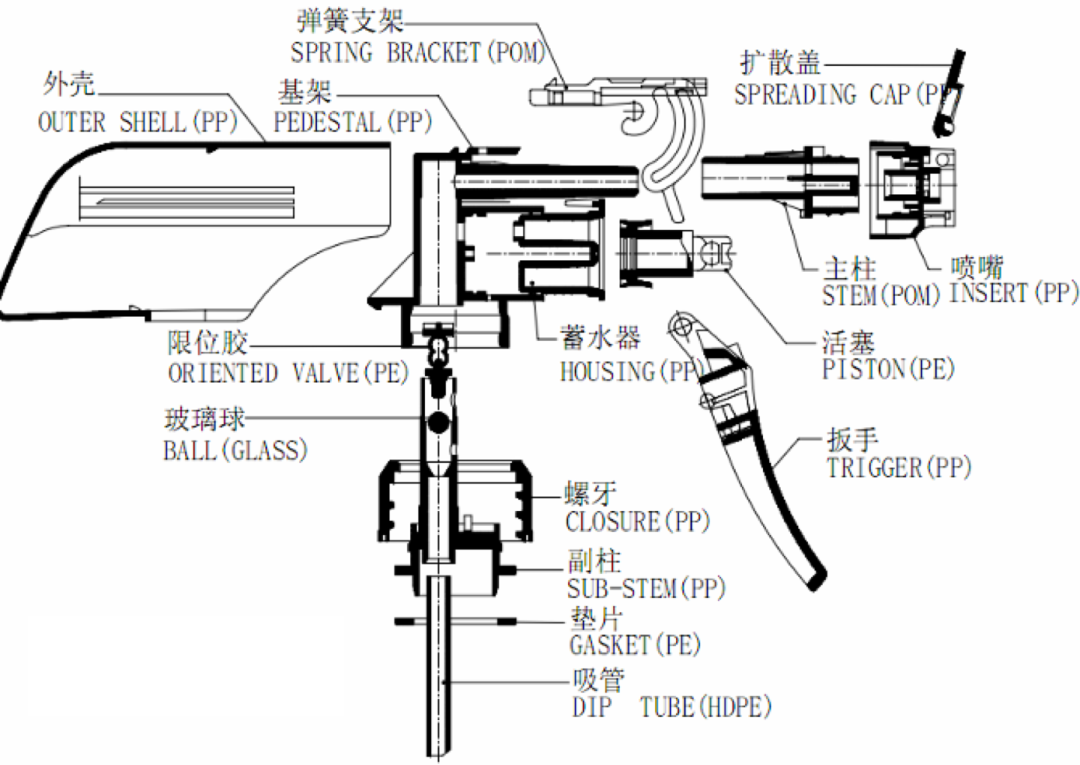
Currently, the market structure of sprayers is categorized into several types: standard trigger sprayers, multi-functional trigger sprayers, high-output trigger sprayers, and dual-container quantitative mixing sprayers. The specific classification of these products is determined by their spray effects and discharge volume.
Testing and Quality Control
(1) Incoming Quality Control (IQC)
-
Scope: Includes inspection of outsourced parts and materials such as cartons, plastic bags, glass beads, gaskets, color masterbatches, raw materials, and springs.
-
Procedure: Conduct appearance, dimension, and functional verification for every batch of incoming supplies; maintain detailed inspection reports.
-
Non-conformance: Defective items will be issued a Non-Conformance Report (NCR) and returned to the supplier.
(2) In-Process Quality Control - Injection Molding (IPQC)
-
Procedure: Self-inspection by the production workshop during the process.
-
Standards: Based on product inspection instructions and specialized testing equipment.
-
Routine: QC performs shift inspections for appearance and functionality; patrol inspections are conducted every 2 hours with recorded reports.
-
First Article Inspection (FAI): Conducted and recorded for every new machine startup, color change, or mold adjustment.
(3) In-Process Quality Control - Assembly (IPQC)
-
Procedure: Self-inspection by the production workshop during assembly.
-
Standards: Based on customer standards, finished product inspection instructions, and testing equipment.
-
Routine: FAI is conducted at every machine startup or line changeover; QC performs patrol inspections every 2 hours.
-
Key Metrics: Testing and recording data for strokes to prime (pump count), discharge volume, total height, and dip tube length.
(4) Final Quality Control (FQC)
-
Standards: Based on criteria provided by the customer.
-
Procedure: QC performs sampling inspections after the product is packaged.
-
Testing Items: Comprehensive testing of appearance and functionality, including pump counts, output per stroke, and dip tube length; all data is recorded.
(5) Outgoing Quality Control (OQC)
-
Procedure: Perform appearance and dimension inspections based on customer standards.
-
Documentation: Record data in a Certificate of Analysis (COA) report, which is provided to the customer upon delivery for reference and final confirmation.